


Portal Survivor
4.730.00 Reviews
App Specs
- Version
- 3.7.0
- Updated On
- License
- Free
- Downloads
- 50,000+
- Developer
- ESC Games Yazılım A.Ş.
- Categories
- Action
- Platform
- Android
Screenshots


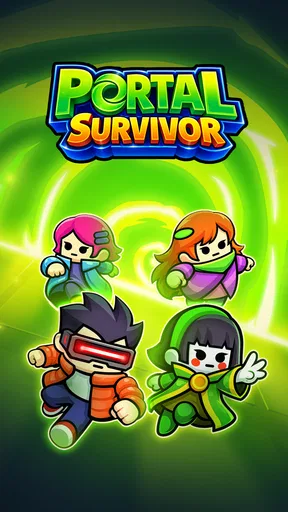
 Analysis by AppCompare
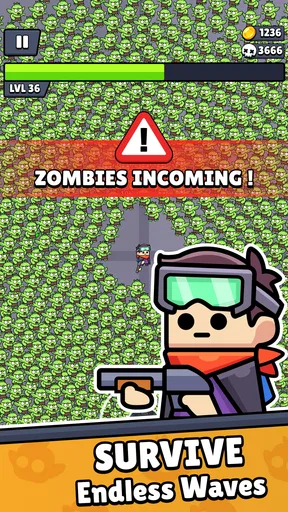
Portal Survivor is the kind of action game I reach for when I want a short, energetic session rather than a carefully planned campaign. It places me in a fast-moving battle against continuing waves of enemies, with the appeal coming from quick decisions, constant movement, and the satisfaction of surviving a little longer each time. I found the basic idea easy to understand, but the pressure of an endless fight gives it more depth than the simple store summary suggests.
Developed by ESC Games Yazılım A.Ş., this free roguelite shooter sits in the action category and is suitable for Everyone. It has a 4.7 average from around 530 ratings, while its reach has passed 50 thousand installs. Those figures suggest a healthy early audience, but I would still judge it mainly by how comfortably it fits your hands, eyes, attention span, and preferred way of playing.
How Portal Survivor feels to play and use
I find the best way to judge Portal Survivor is to look beyond how quickly a run begins and notice how the constant enemy pressure changes my decisions. In this section, I focus on the practical feel of staying alert, choosing where to move, and keeping the screen comfortable to follow. That makes it easier to see why the game can be gripping in a short session, but tiring when I try to play without a break.
Readability and navigation during a crowded run
The strongest part of the design is that the goal is immediately understandable: stay alive while the battlefield fills with danger. That clarity matters in a roguelite, because there is already enough to process when enemies approach from several directions. I never felt that I needed a long explanation before beginning a session. The game’s central loop communicates itself through action, which is useful for players who prefer learning by doing.
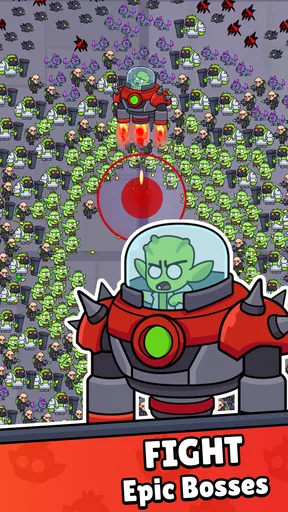
At the same time, fast action creates a readability trade-off. When the screen becomes busy, the player has to separate the character, enemies, attacks, movement space, and any useful objects or rewards at a glance. That can be demanding for anyone with reduced vision, difficulty distinguishing similar shapes, or a tendency to lose track of moving elements. I found that the safest approach was to avoid staring at one target and instead keep checking the open space around my character.
The most useful habit is to read the battlefield before chasing rewards. A tempting pickup is not worth walking into a closing group of enemies. This sounds obvious, but the endless-wave format encourages impulsive movement. I had better runs when I treated open ground as a resource and only changed direction after checking where the next escape route would be.
Navigation outside combat is more approachable because the game has a narrow purpose. You are not moving through a large collection of unrelated menus or trying to manage a complicated social system. That makes it easier to return after a break. If you are the sort of player who dislikes games that bury the main activity under screens, Portal Survivor’s direct structure is appealing.
Worth Reading Before You Choose

EA SPORTS FC Mobile 26 Is a Bigger Football Game, but It Takes Time

Flipboard Shows What News Apps Must Do Beyond the Feed

Switching to Android Auto Means Rethinking Your Driving Routine

Google Calendar Makes a Crowded Week Easier to Manage

Ludo King Makes the Most of the Minutes Between Plans

Baby Panda World Brings Quick Play to Modern Phones, but Its Game Library Feels Busy
The downside is that a compact action interface can still feel dense during the moments that matter most. Players who need large text, strong separation between controls, or extra time to inspect information may find the experience less comfortable than a slower strategy game. I would not choose this as my first recommendation for someone whose priority is calm, highly adjustable navigation.
Motor demands and sensory comfort
This is a game built around repeated movement and rapid reactions, so hand comfort matters. Even when the basic controls feel familiar, survival depends on making many small corrections rather than one dramatic input. That creates a different demand from a turn-based game: the player is constantly steering, repositioning, and deciding whether to push forward or retreat.
For players with limited dexterity, tremors, joint pain, or fatigue, the important question is not simply whether the controls are easy to understand. It is whether maintaining movement over a full session remains comfortable. I recommend starting with brief runs and paying attention to tension in the thumb or wrist. A relaxed grip and a stable phone position make a noticeable difference, especially when the action becomes crowded.
Players who prefer one-handed use should test the layout rather than assume it will suit them. The game’s action-first format may work well when the phone is held securely, but the need for continuous movement can make one-handed play less comfortable for some people. A stand or a larger, steadier grip can help in everyday use, particularly during a commute or while sitting on a sofa.
Sensory load is another consideration. Endless enemy pressure means the player is rarely allowed to settle into a quiet rhythm. Visual motion, repeated attacks, and the need to monitor several threats can become tiring for people who are sensitive to flashing effects, dense movement, or rapid changes on screen. I found it easier to play when I treated each attempt as a focused burst instead of trying to continue indefinitely.
That short-session approach also helps players who experience attention fatigue. You do not need to reserve a whole evening to get something from the game. A few attempts can provide a complete little activity, while longer sessions are there for people who enjoy testing concentration and improving their decisions. The same design that makes it exciting can become exhausting if you are already mentally overloaded.
Using it in ordinary situations
Portal Survivor fits naturally into small gaps in the day. I can imagine playing it while waiting for an appointment, taking a break between tasks, or sitting at home when I want action without committing to a long story. The self-contained run structure is more convenient than a game that expects me to remember a complicated plot or return to a precise location.
However, “quick to start” does not mean “safe to play everywhere.” Because the game demands visual attention and repeated movement, it is a poor choice while walking, standing in a crowded vehicle, or doing anything that divides concentration. Even a familiar run can suddenly become difficult when several threats close in. I would save it for a place where I can hold the device securely and look at the screen without interruption.
It also works better with a deliberate stopping point. If you are playing during a short break, decide in advance that you will finish the current attempt rather than begin another immediately. The endless structure makes it easy to say “one more run,” and that can turn a planned five-minute pause into a much longer session. This is not a flaw unique to this game, but it is especially relevant when the entire appeal is built around trying again.
The free entry point makes experimentation straightforward. You can install it without paying upfront and decide whether the pace suits you before treating it as a regular game. There are in-app purchases ranging from $0.99 to $99.99 per item, so I would approach the purchase layer carefully. Anyone managing a household device, sharing a phone, or trying to keep gaming costs predictable should check purchase controls before handing the game to a child, even though the content rating is Everyone.
Small decisions that improve accessibility in practice
One useful adjustment is to change how you position the phone rather than immediately blaming your reactions. Resting the device against a cushion, table edge, or stand can reduce the effort of holding it and leave your active hand less tense. This is particularly helpful for longer attempts, where fatigue can make a previously comfortable control method feel awkward.
A second practical tip is to lower the mental workload by choosing a simple movement rule. For example, I have better results when I keep moving around the outer part of the available space and only cut inward when the route is clearly open. This does not remove the challenge, but it reduces frantic direction changes and gives me a repeatable plan when the screen becomes busy.
A third is to use sound as a supplement rather than relying on it as the only warning system. If you are in a noisy room, wearing headphones is not always convenient, and if you have hearing loss, audio cues may not be dependable. I play with my eyes doing the main work and treat sound as extra feedback. That approach is more robust when the environment changes, such as moving from a quiet bedroom to a busy waiting area.
Finally, take a break after a run that leaves you gripping the device tightly. The game rewards persistence, but repeating an attempt while tired can make the battlefield feel less readable and your movements less precise. A short pause often helps more than immediately forcing another try. This is a simple habit, yet it makes the experience friendlier to players whose energy or concentration varies throughout the day.
Where the experience still creates barriers
The main barrier is the game’s speed. A player may understand every objective and still struggle because the required responses arrive too quickly or too continuously. That is an important distinction: clear rules do not automatically create an accessible experience. Someone who needs slower pacing, longer decision windows, or less visual pressure may be happier with a turn-based action game or a shooter designed around deliberate positioning.
Another barrier is the limited room for divided attention. Portal Survivor is not ideal for listening to a podcast, following a conversation, or checking messages while playing. The game asks for presence. That can be a strength for people seeking a focused escape, but it reduces its usefulness as background entertainment and makes it less suitable for players who need to monitor their surroundings closely.
There is also a comfort issue around repetition. Roguelite structure naturally encourages repeated attempts, and some players enjoy learning through failure. Others may find the cycle tiring, especially if they prefer permanent story progress or a clearly measured journey toward an ending. If your motivation comes from narrative discovery, relaxed exploration, or cooperative play, this may not provide the kind of reward you are looking for.
The purchase range deserves a second look for a different reason: even a free game can become less comfortable when optional spending is part of the experience. I would not assume that every player will want to engage with purchases. For someone who wants a completely frictionless, no-cost activity, a paid game with one upfront price may be easier to understand and budget for, even if its initial download feels less inviting.
Device compatibility is reasonably broad because the game requires Android 6.0 or later, but that does not guarantee the same comfort on every phone. Screen size, grip, performance, and battery condition all affect a fast action game more than they affect a reading app. On a smaller display, crowded encounters may be harder to parse; on a device that becomes uncomfortable to hold, the physical demand can overshadow the fun. I would test a few short sessions before deciding whether it deserves a permanent place on your home screen.
Who I would recommend it to
I would recommend Portal Survivor to players who enjoy action games that begin quickly, ask for constant movement, and make repeated attempts feel meaningful. It is a good match for someone who likes learning enemy pressure through practice rather than following a fixed level-by-level campaign. It also suits players who want a free game they can sample casually before deciding whether the style is worth more time.
It is especially appealing if you enjoy making small tactical choices under pressure. The interesting part is not merely shooting or surviving; it is deciding when to move toward opportunity and when to preserve a safe route. Players who like improving their own discipline may get more satisfaction from it than players who only want a relaxing distraction.
I would suggest skipping it if you need slow pacing, minimal motion, or generous time to inspect the screen. I would also look elsewhere if your ideal mobile action game is built around a substantial story, direct multiplayer teamwork, or a fixed campaign with a clear final chapter. Portal Survivor’s appeal comes from the run itself, so the fit depends heavily on whether repeated survival is a reward or a chore for you.
My inclusive verdict after playing
Portal Survivor is easy to approach conceptually, but not universally easy to handle. Its straightforward objective and focused format make it welcoming to players who want immediate action, while the endless pressure creates real demands on vision, dexterity, attention, and sensory comfort. I appreciate that it can fit into a small break, yet I would not describe it as a low-effort game once the screen becomes crowded.
The current release is version 3.7.0, and the game has already attracted more than a modest starting audience. I would treat that as a reason to try it, not as a guarantee that it will suit every player. The free download removes the biggest entry obstacle, but optional purchases and the physical intensity of repeated runs are worth considering before making it a daily habit.
My final view is positive with clear conditions: Portal Survivor is best for focused, short bursts of mobile action, not for relaxed or highly adjustable play. Use a stable grip, protect your escape space, take breaks when your hands or eyes tire, and avoid playing in situations that divide your attention. If those boundaries match the way you play, this is a lively little shooter that can reward practice. If accessibility for you means slower reactions, quieter presentation, or extensive control customization, a calmer alternative will probably be the better choice.
For me, the deciding strength is the balance between immediate understanding and room to improve. I can start without preparation, but surviving well still asks me to think about positioning and restraint. That combination gives the game a distinct place among mobile roguelite action games: approachable at the first touch, demanding once I stop rushing, and most enjoyable when I play with a comfortable setup rather than treating every run as a test of endurance.
Pros
- Simple controls make it easy to start playing immediately.
- Short runs suit quick gaming sessions on mobile devices.
- Randomized challenges help keep each attempt feeling different.
- Progression rewards encourage repeated play and experimentation.
- The portal-themed setting gives the game a distinctive atmosphere.
Cons
- Difficulty can rise quickly and may frustrate casual players.
- Repeated runs may feel similar after extended play.
- Some upgrades may take time to unlock without regular play.
- Small-screen action can become hectic during crowded encounters.
- The game may consume noticeable battery during longer sessions.
FAQs for Portal Survivor
What is Portal Survivor and how does the gameplay work?
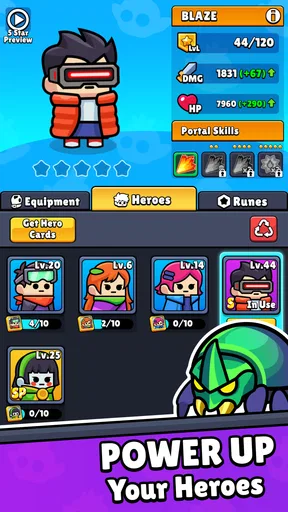
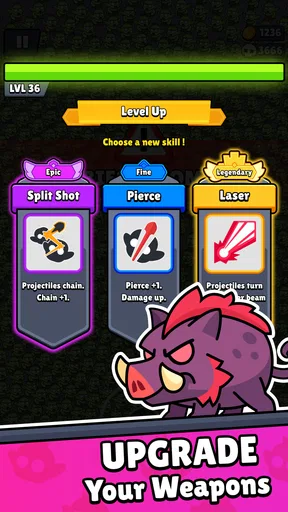
Portal Survivor is an action-survival game built around fighting continuous waves of enemies while moving through dangerous environments and using portals to progress. During each run, you typically collect experience or resources, improve your character’s abilities, and choose upgrades that shape your build. The main appeal is its fast, repeatable gameplay, although success depends on positioning, timing, and selecting upgrades that work well together.
Can Portal Survivor be played offline?
Portal Survivor may support offline play for its main survival sessions, which is useful when you do not have a stable internet connection. However, some features can still require online access, including advertisements, cloud synchronization, account services, events, updates, or in-app purchases. Before relying on offline mode, it is worth launching the game once while connected and checking whether the specific mode you want remains available without internet access.
Is Portal Survivor free to download, and does it contain in-app purchases?
Portal Survivor is generally available as a free download, but free access may be supported by advertising and optional in-app purchases. These purchases can include currency, boosters, cosmetic items, convenience features, or bundles that speed up progression. You can usually play without spending money, although progress may feel slower and advertisements may appear more frequently during normal gameplay.
Is Portal Survivor suitable for beginners?
Portal Survivor is relatively approachable for new players because its basic objective is easy to understand: survive enemy attacks, collect rewards, and improve your character. Even so, later stages can become considerably more demanding, requiring better movement, upgrade choices, and awareness of enemy patterns. Beginners should experiment with different abilities rather than spending resources too quickly, since some combinations are much more effective than others.
What devices are compatible with Portal Survivor, and is much storage required?
Compatibility depends on the version available for your Android or iOS device, as well as the operating system requirements set by the developer. The download itself may not be especially large, but additional data, updates, advertisements, and saved progress can require extra storage over time. For the smoothest experience, use a reasonably recent device, keep sufficient free space available, and install the latest official version.


